There are concerts where you sit back and listen to the music, and then there are Gogol Bordello concerts, where “listening” feels like entirely the wrong verb.
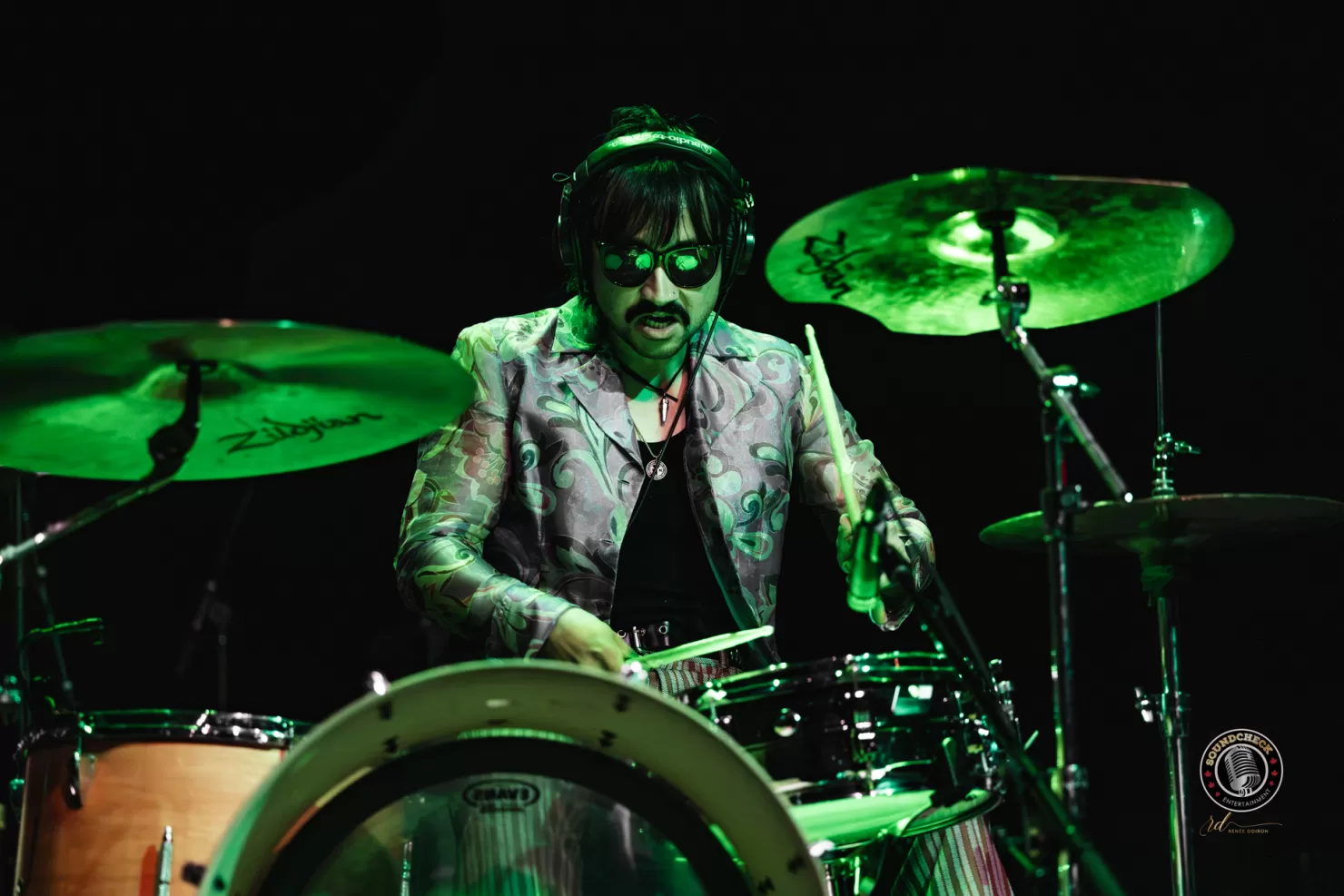
The New York-based, Ukrainian-fronted collective brought its famously unruly live show to HISTORY Ottawa last night, closing out its fall North American tour with That Handsome Devil and Pons. It was the tour’s only Canadian date, with the band’s 10-show North American run ending in Ottawa. But the party started well before Gogol Bordello took the stage.
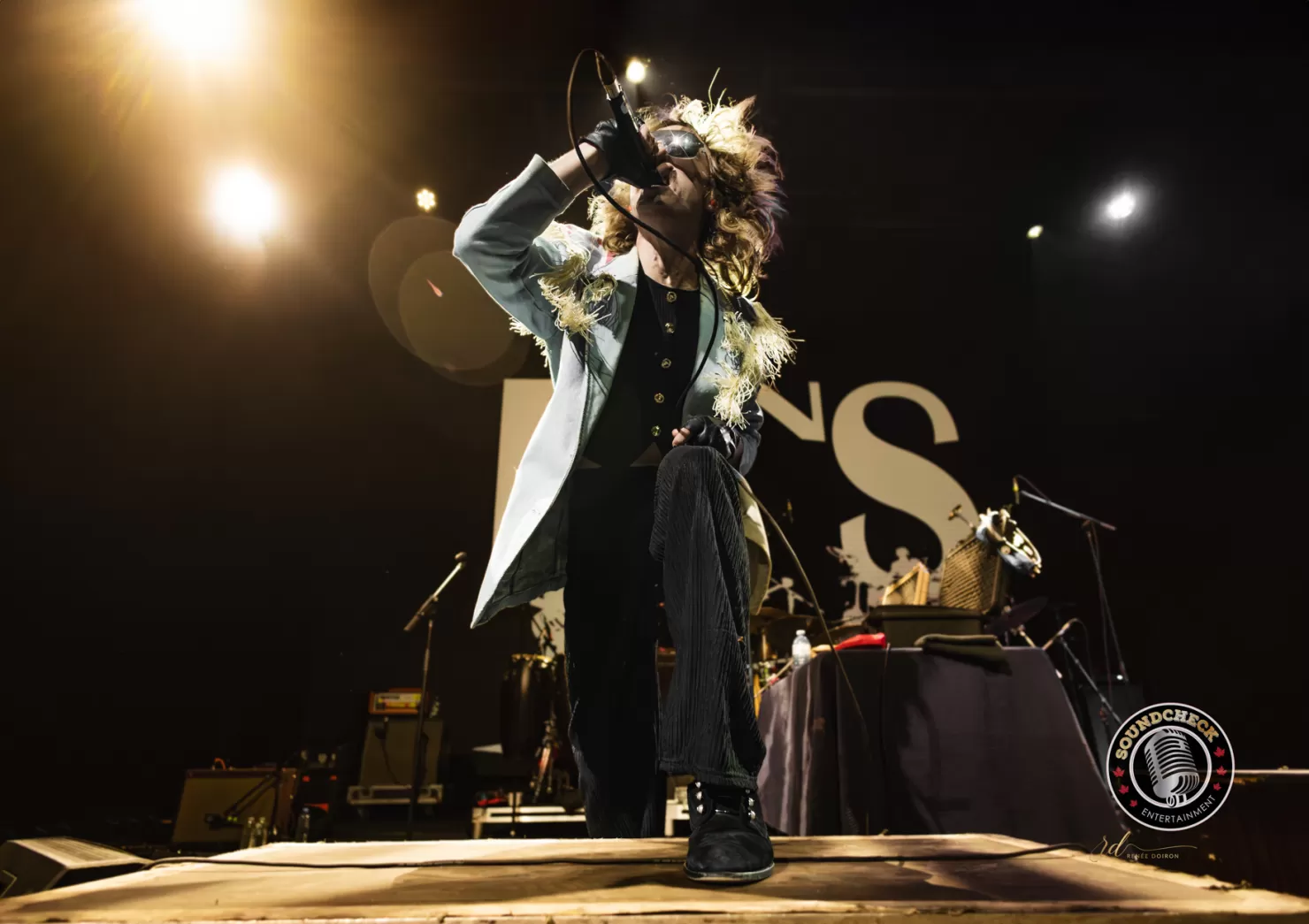
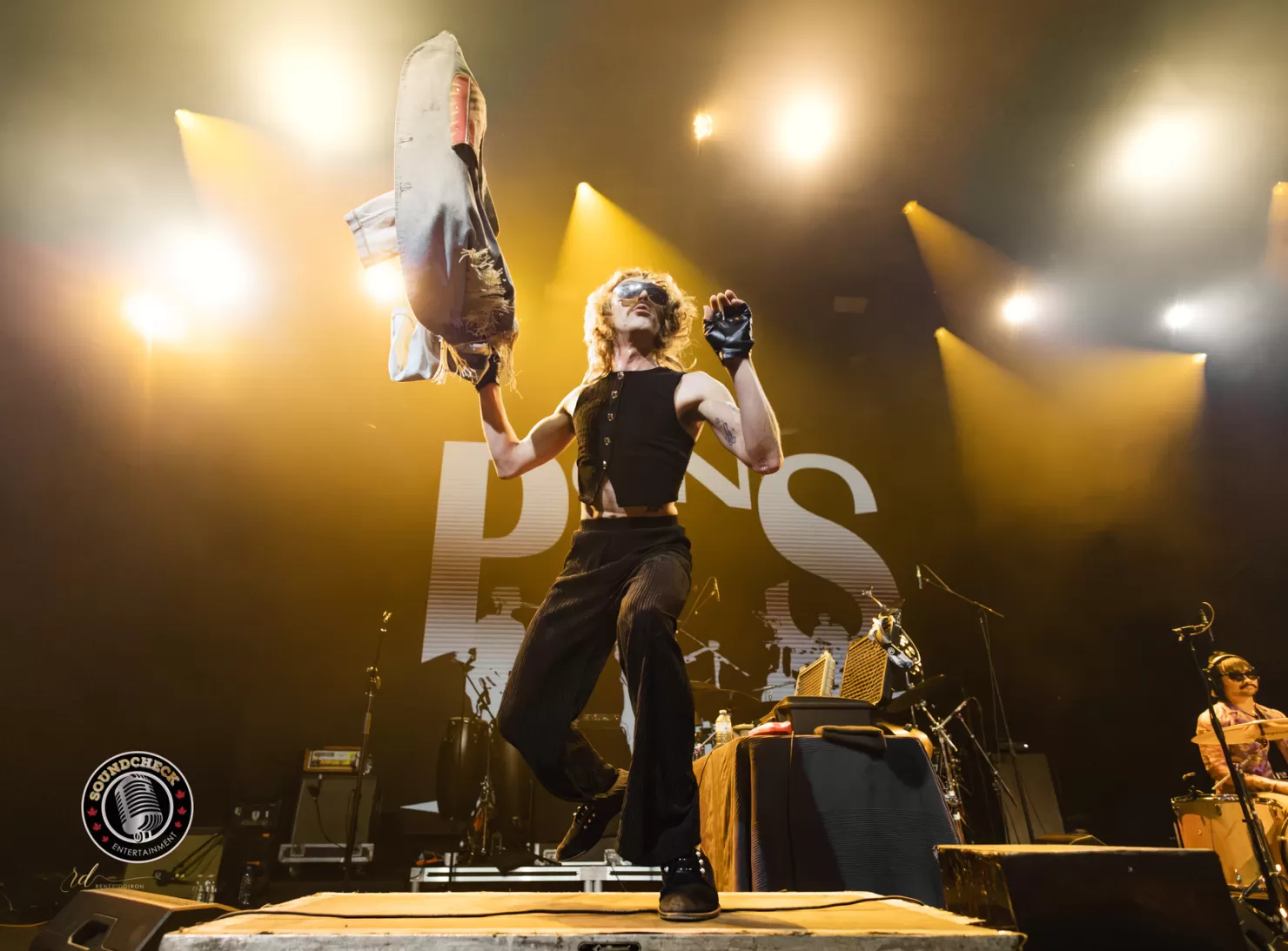
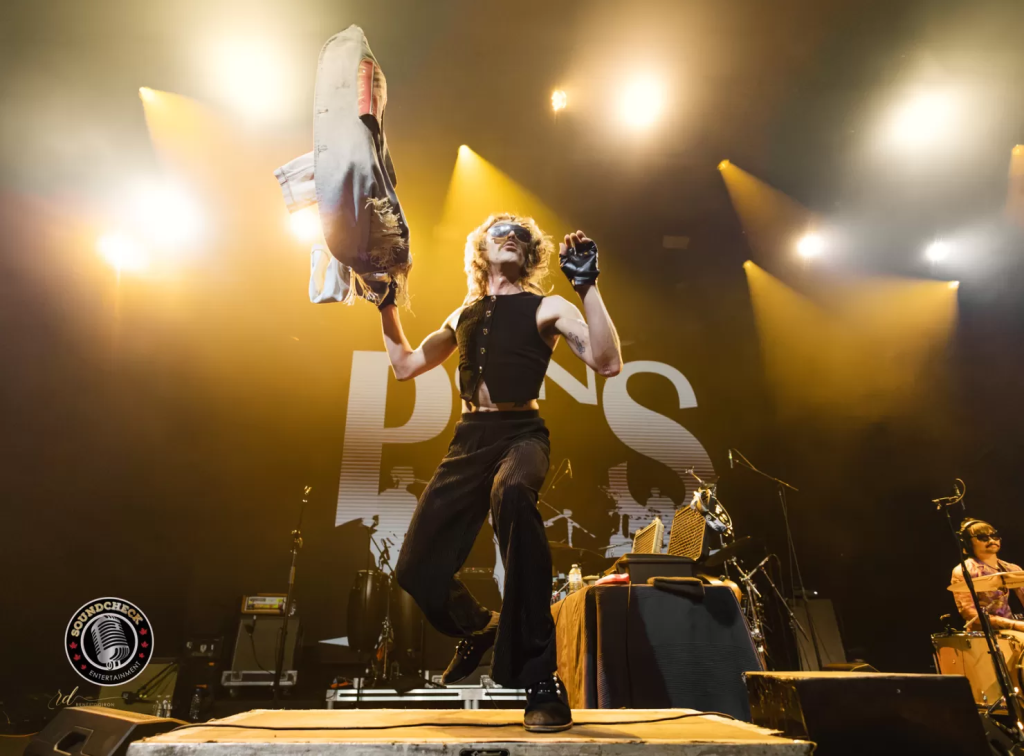
Brooklyn’s Pons opened the night with a set that was anything but a polite warm-up. Led by Jack Parker, the duo describes its sound as dance punk, electroclash, experimental rock, no wave and post-punk—and its live performance certainly lived up to the promise of a relentless take no prisoners approach. Parker barely seemed capable of standing still. In fact, I don’t think he did, moving around the stage and progressively losing layers of clothing and getting the room moving with him. There was also some distinctly Ottawa-friendly humour. At one point, Parker joked about the possibility of the United States becoming Canada’s 11th province, rather than the other way around. The line got exactly the sort of reaction you’d expect in an Ottawa room and fit neatly with the band’s irreverent, anything-goes approach.
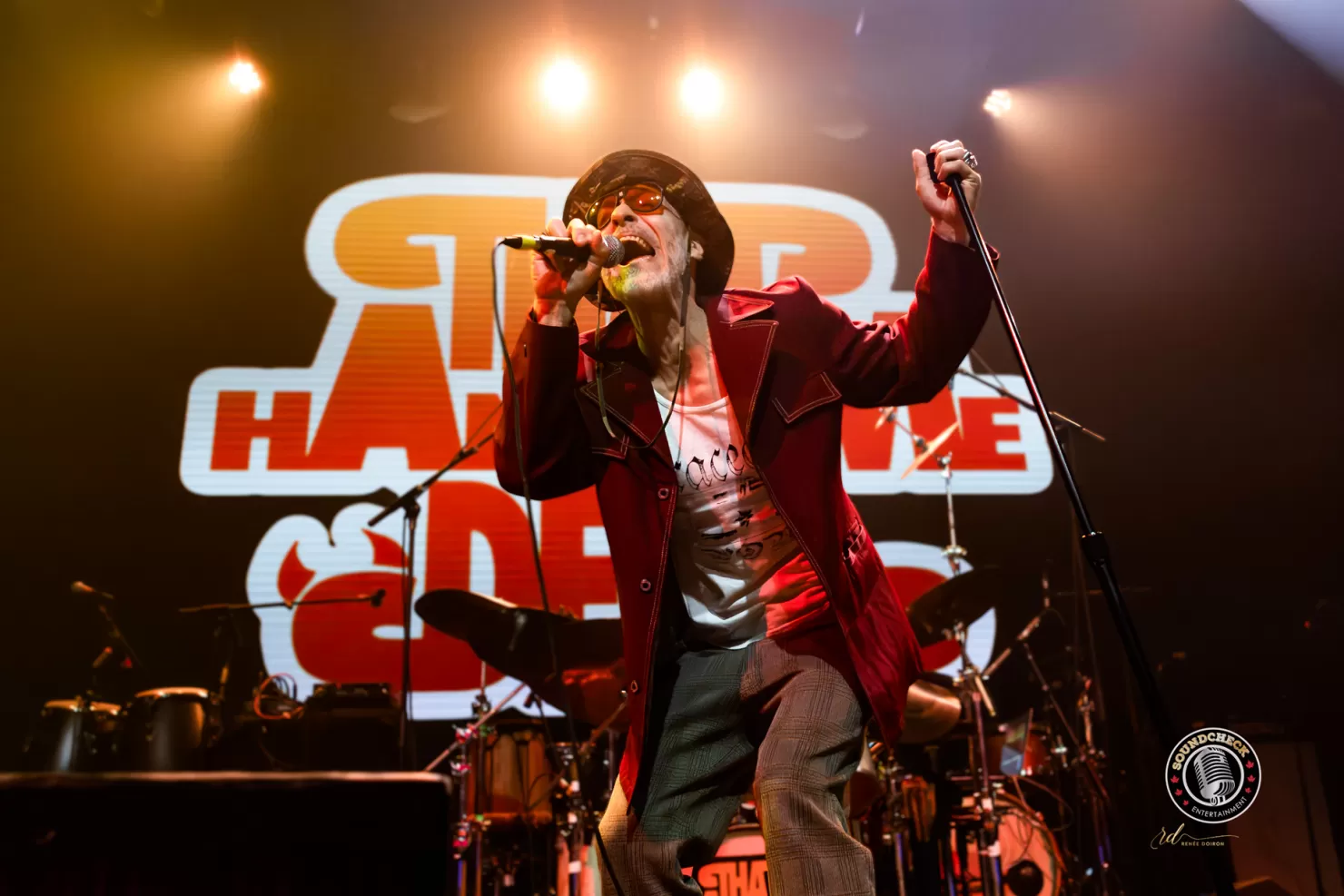
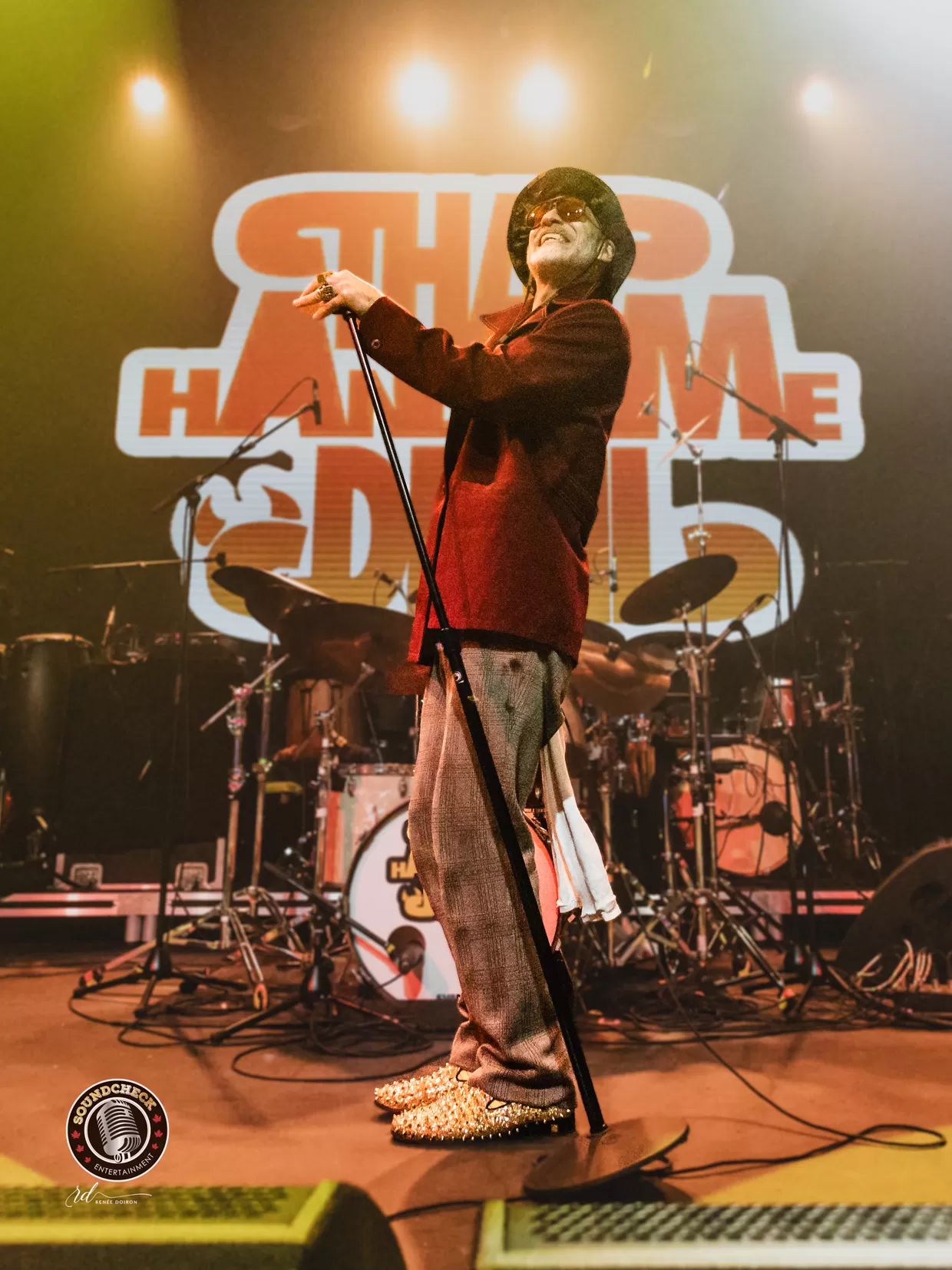
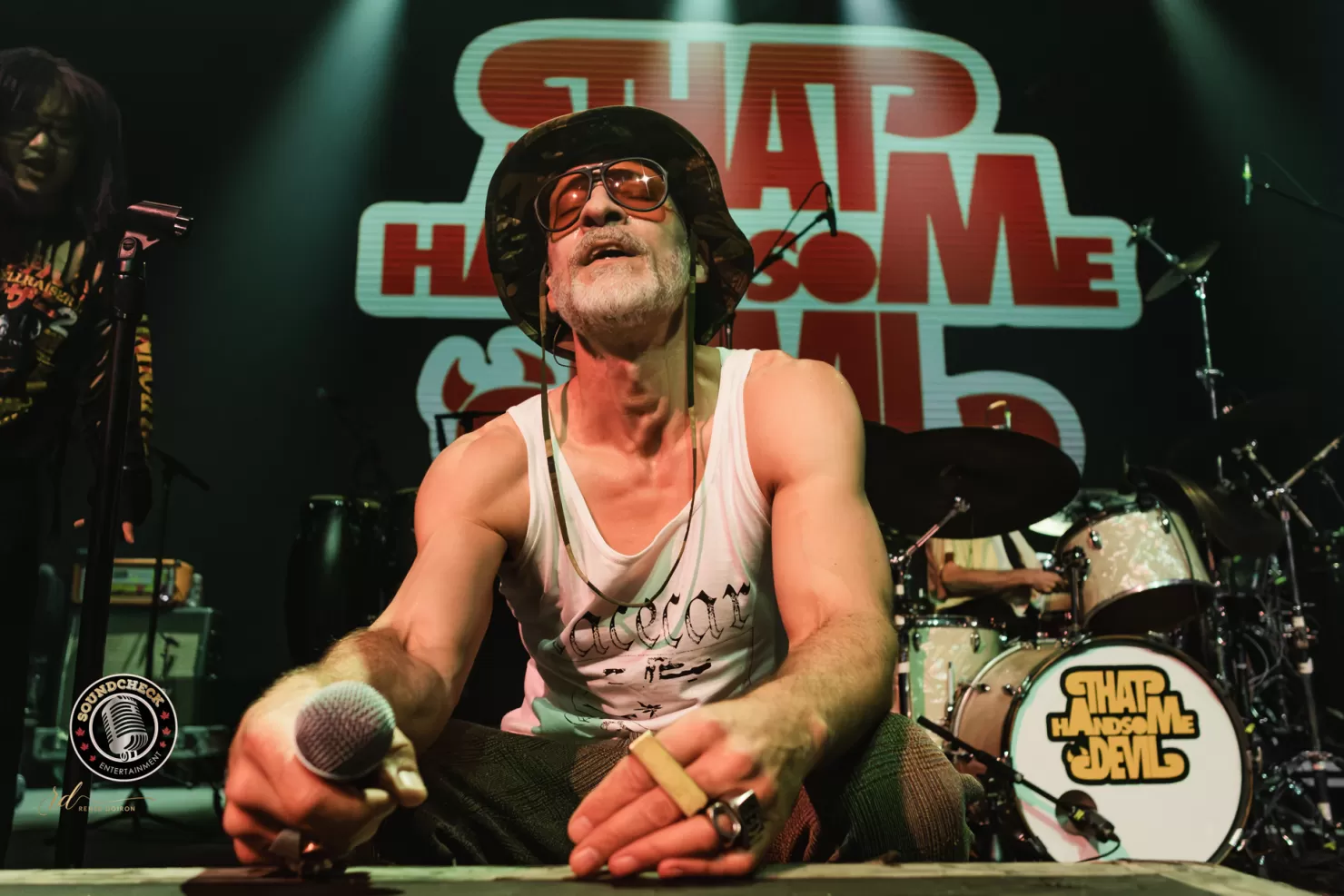
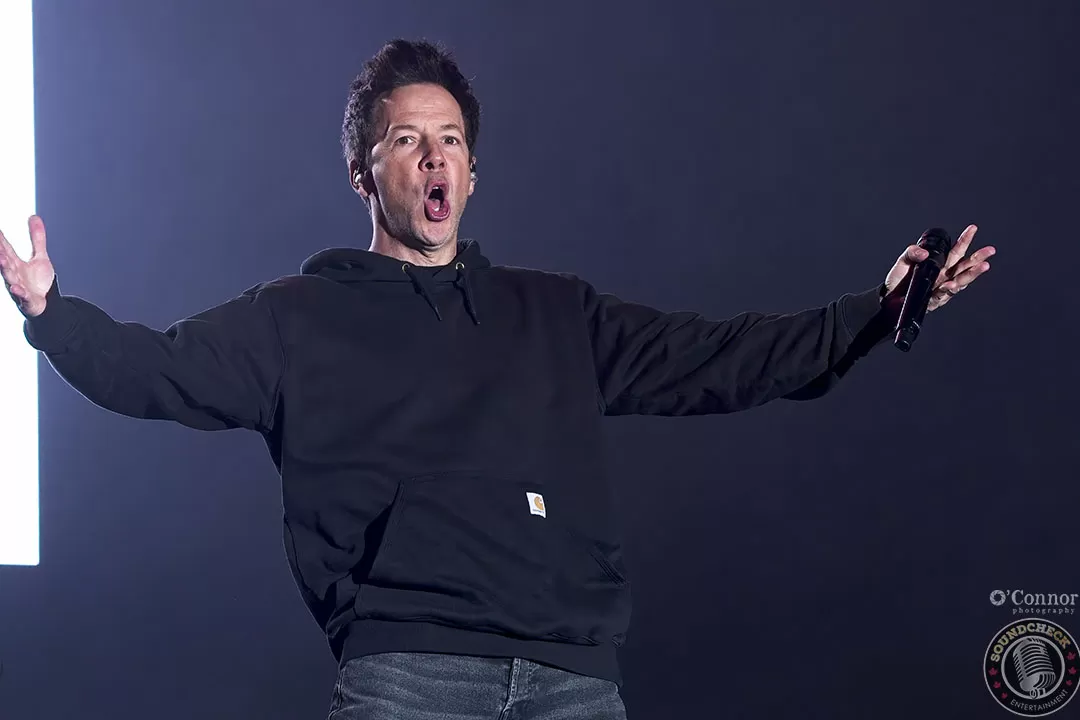
That Handsome Devil followed, and if Pons pushed the energy forward, THD broadened the musical palette considerably.
The Brooklyn band has never been particularly interested in staying inside one genre, pulling together rock, punk, hip-hop, jazz, blues and electronic influences. Their music is difficult to categorize, but their live performance is much easier to understand: they looked and sounded like they were having a terrific time. The chemistry between the lead singer and the female vocalist was impossible to miss. They danced around each other, bumped into each other and seemed to feed off one another’s energy throughout the set. It was playful, spontaneous and infectious.
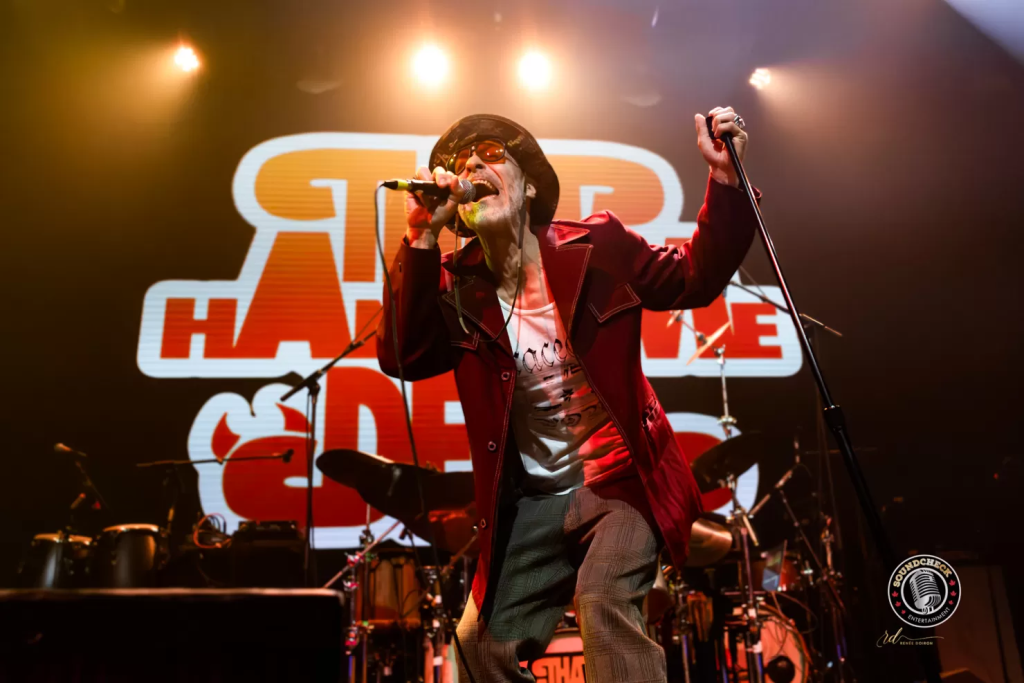
They also seemed genuinely happy to be there. That extended beyond the performance itself, with the two repeatedly hamming it up for the photographers in the pit, seemingly enjoying the cameras as much as they were playing to the crowd. That kind of enthusiasm is contagious. Whatever was happening onstage, it looked like the band was having at least as much fun as the audience. Together, Pons and That Handsome Devil accomplished something that isn’t always easy for opening acts: they genuinely pumped up the crowd.

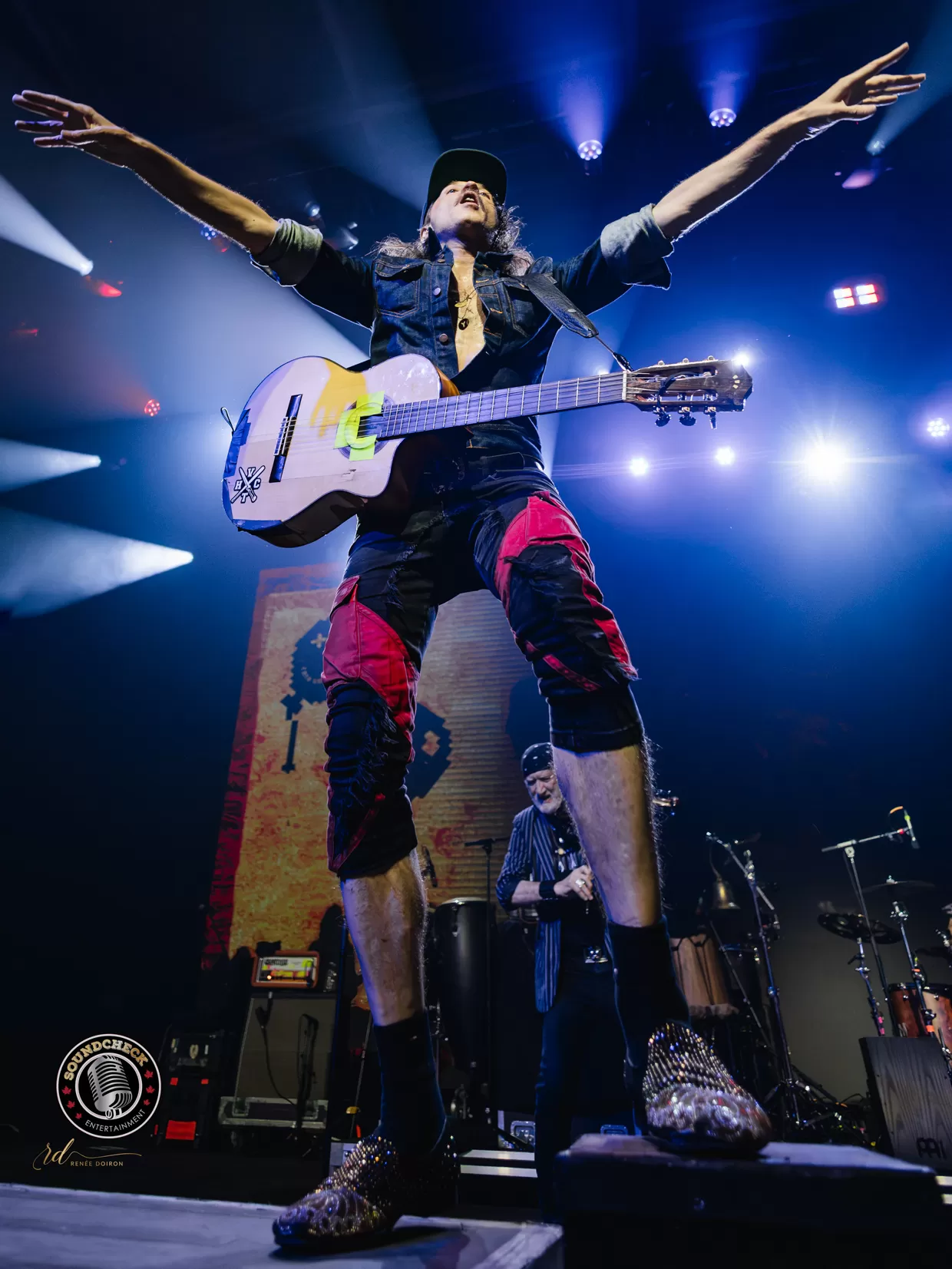
And then Eugene Hütz burst onto the stage to a roar from the crowd.
If there was any question about whether a band more than 25 years into its career could still deliver the kind of live spectacle for which Gogol Bordello is known, it disappeared almost immediately. Hütz grew up in Ukraine before making his way to New York’s Lower East Side in the late 1990s. He formed Gogol Bordello in 1999, building a multicultural ensemble whose music draws on punk alongside Eastern European, Romani, Latin and other influences. The band’s history is as international as its sound, and its reputation has been built in large part on its explosive live performances.

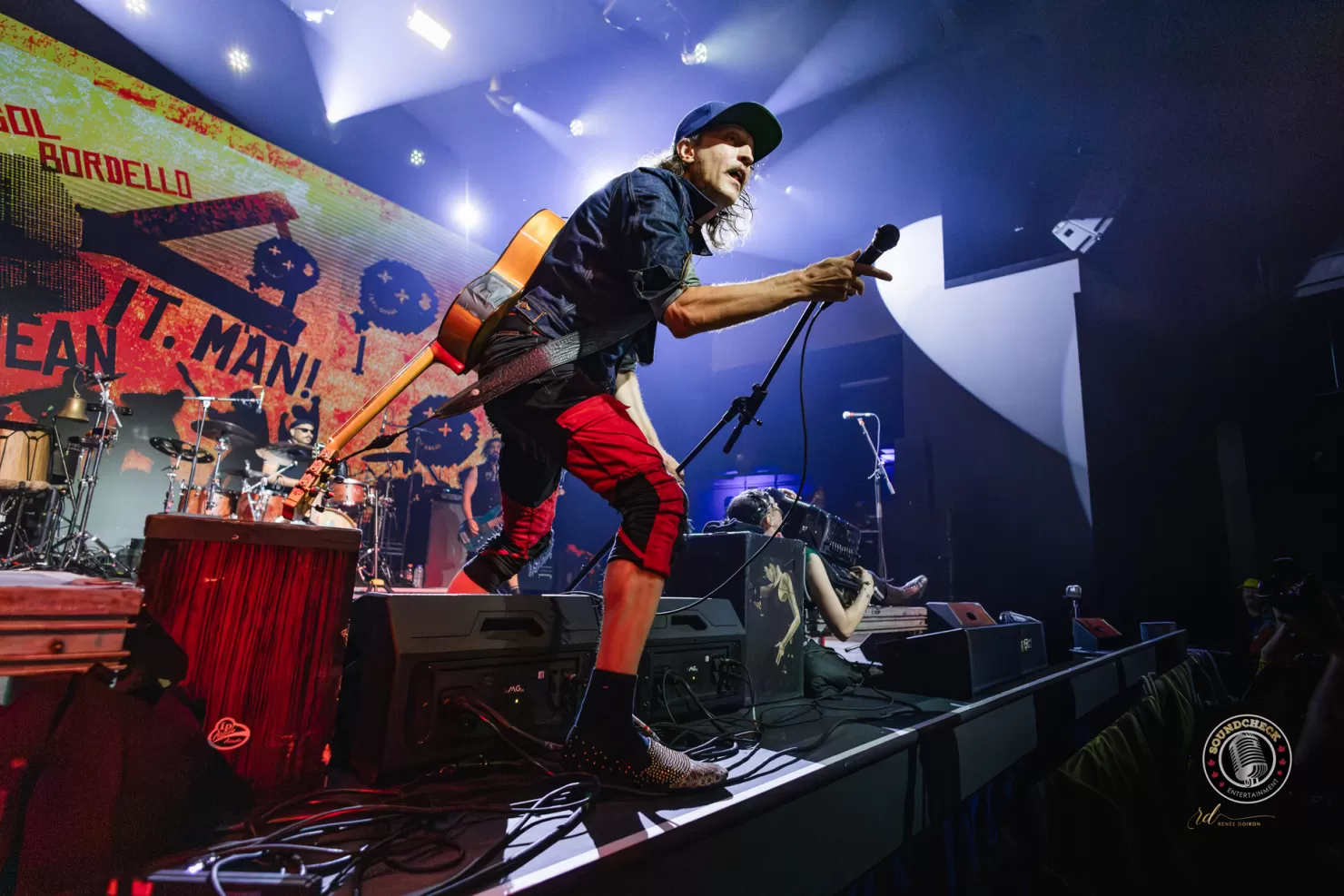
The current tour is supporting We Mean It, Man!, the band’s 2026 album, which brings newer and somewhat darker post-punk influences into the mix. But whatever changes in the studio, the live Gogol Bordello experience remains unmistakably theatrical and exuberant. And theatrical is the word that kept coming to mind throughout the Ottawa performance.
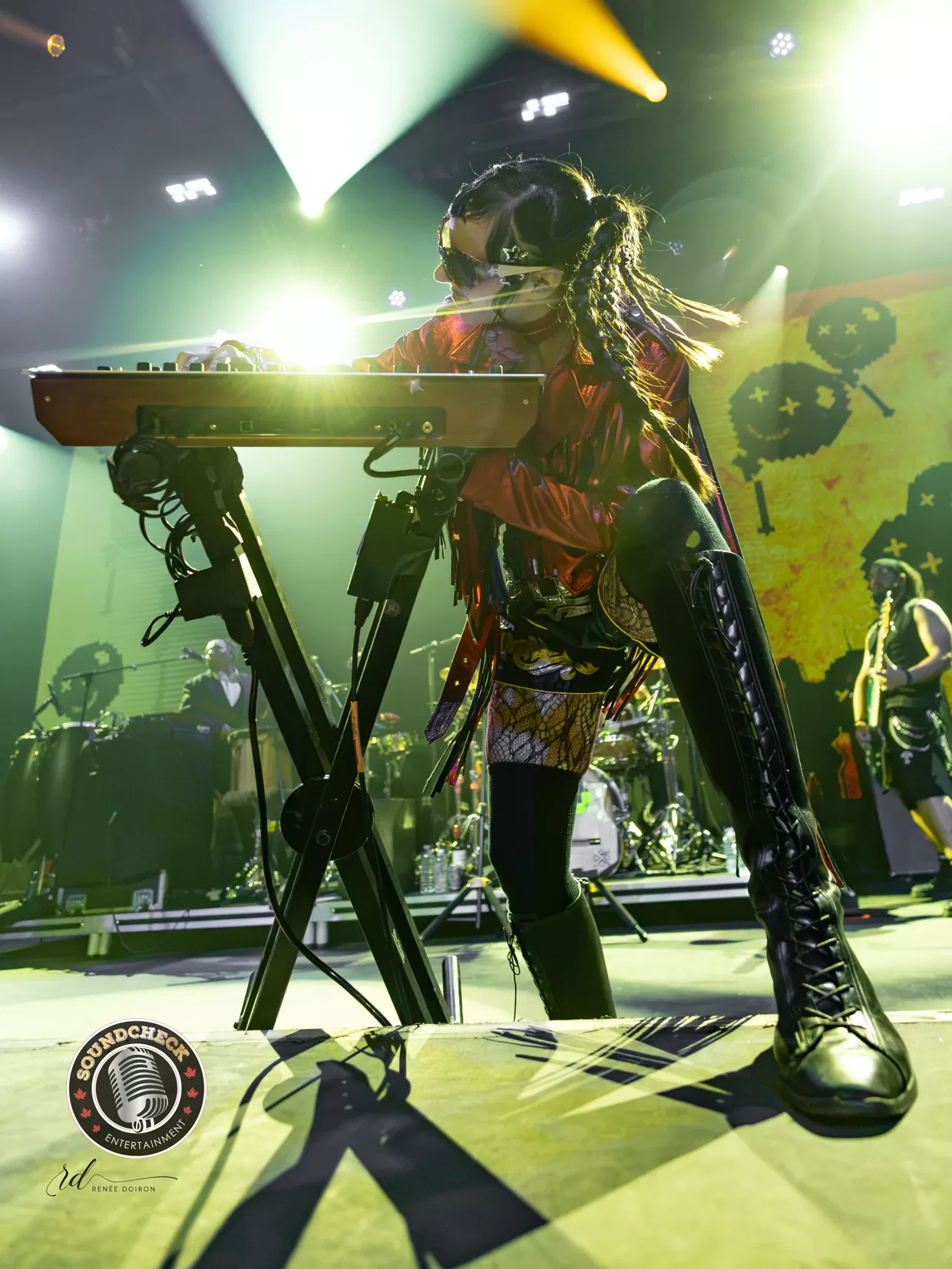
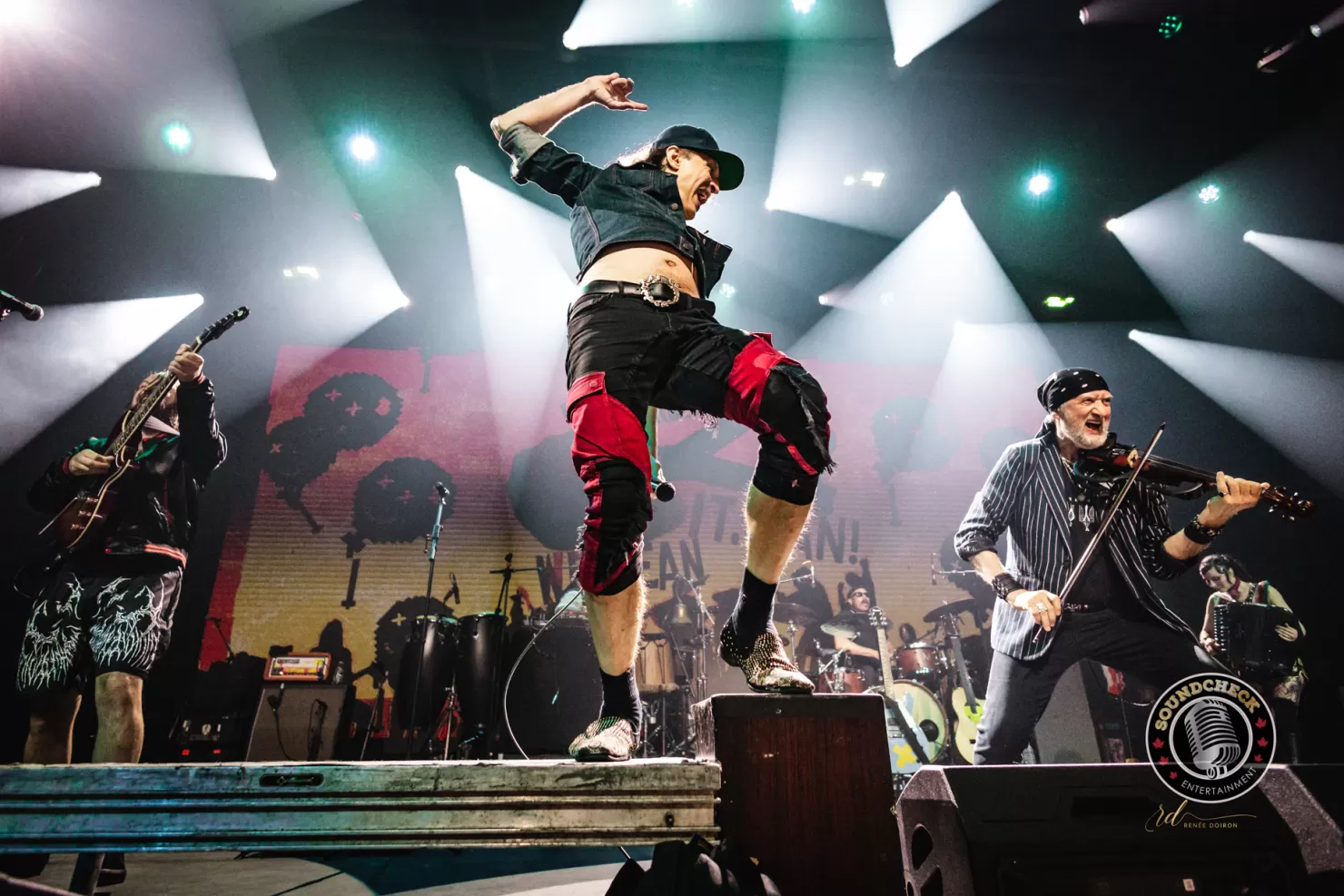
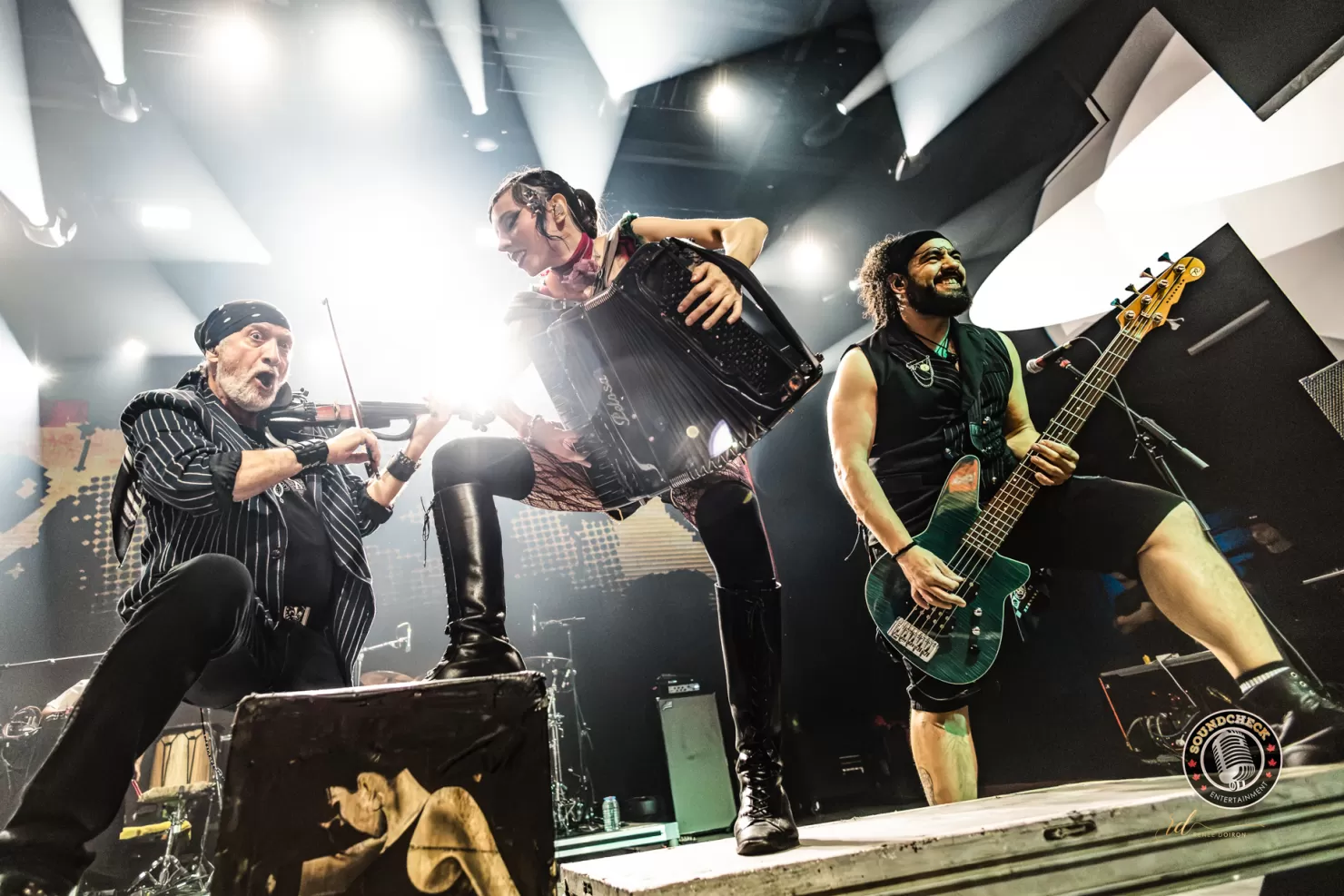
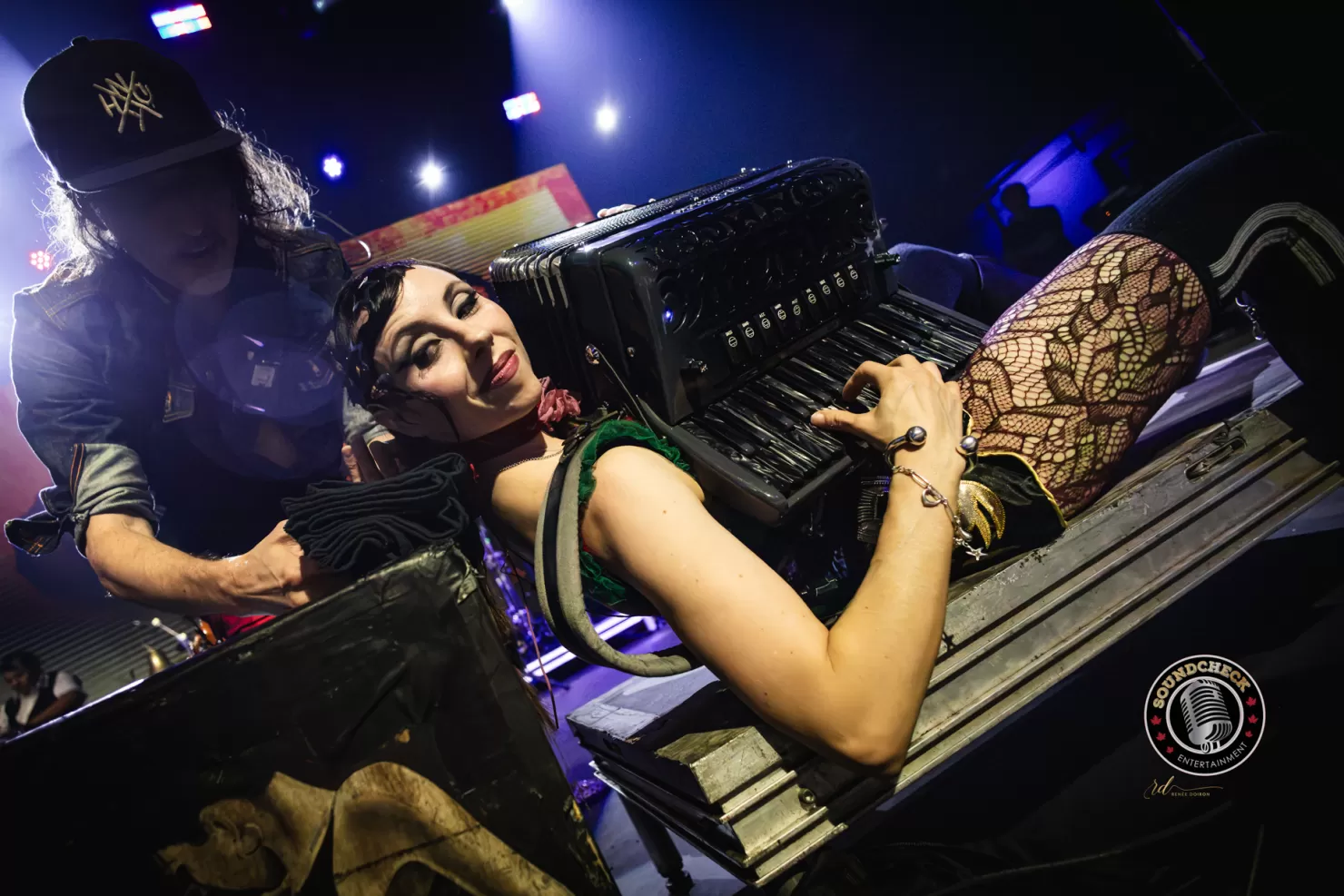
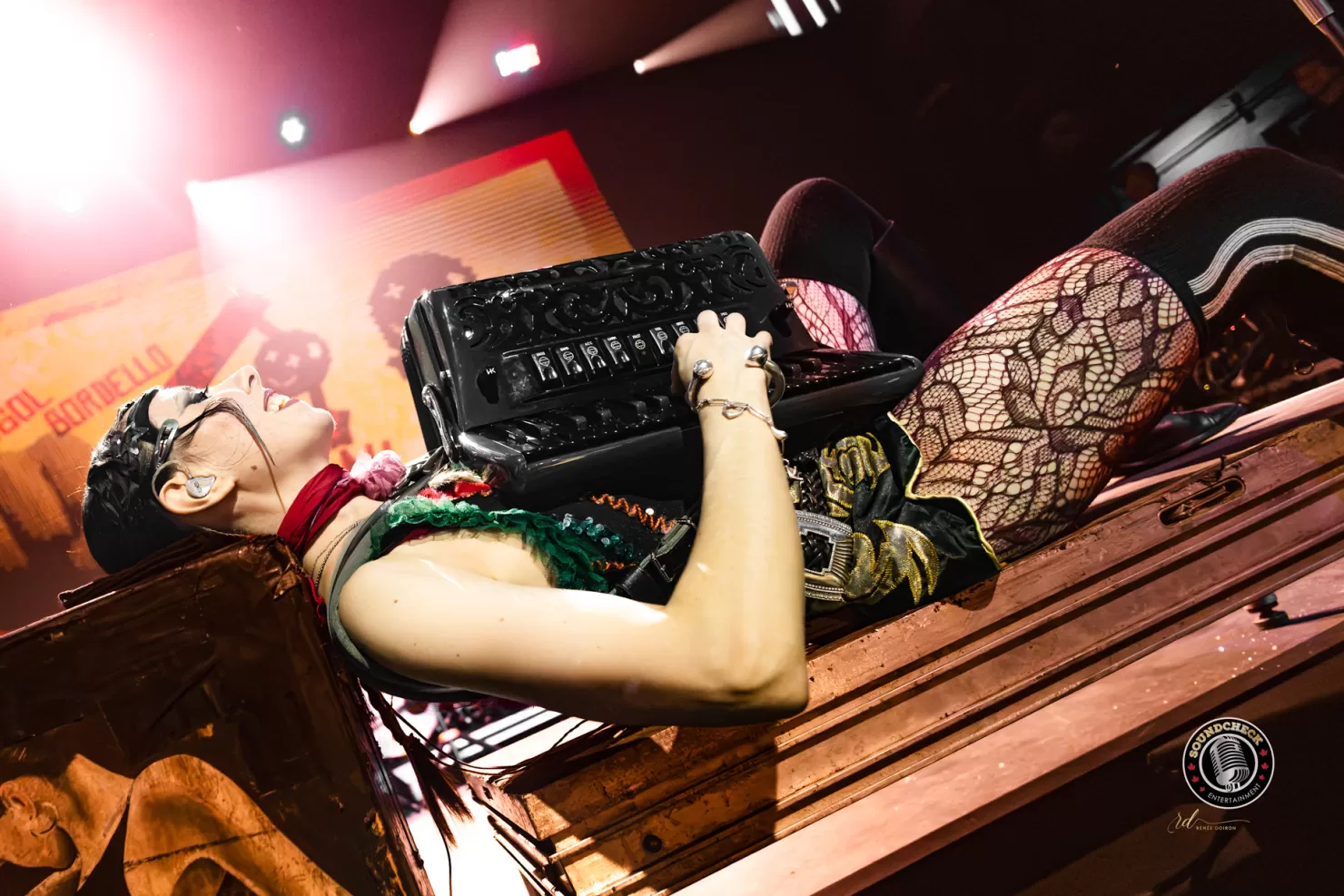
The band made excellent use of the risers positioned at the front of the stage, repeatedly climbing up and down them and bringing the performance physically into the space occupied by the photographers and front row. At one point, Erica Mancini—the band’s accordionist and backing vocalist—lay horizontally across one of the risers with her accordion, to the obvious delight of both the photographers in the pit and the fans at the barricade.
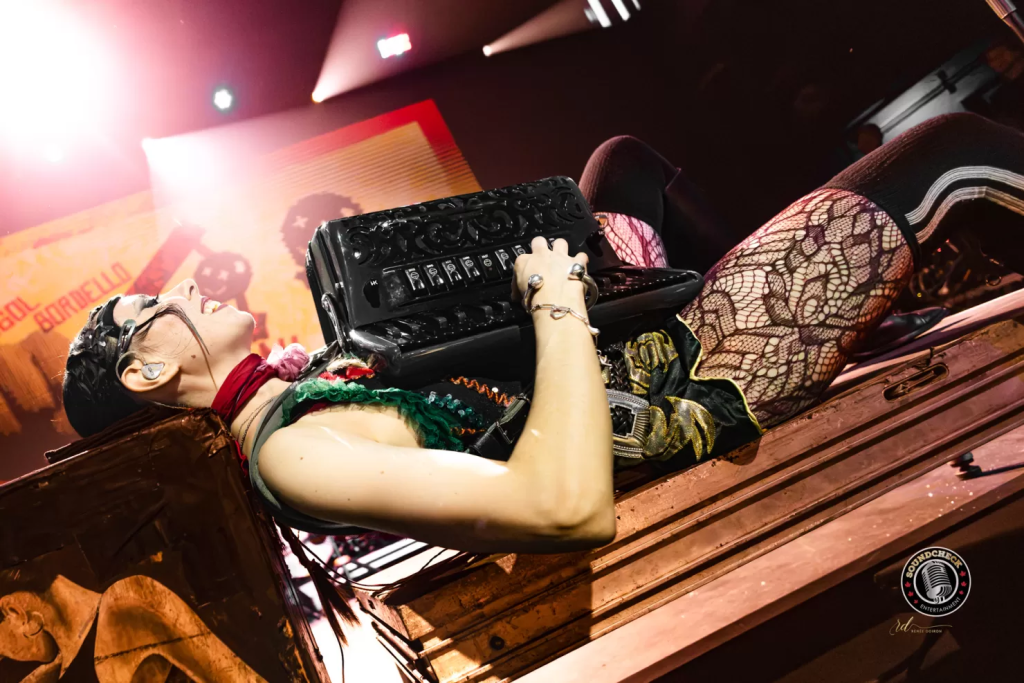
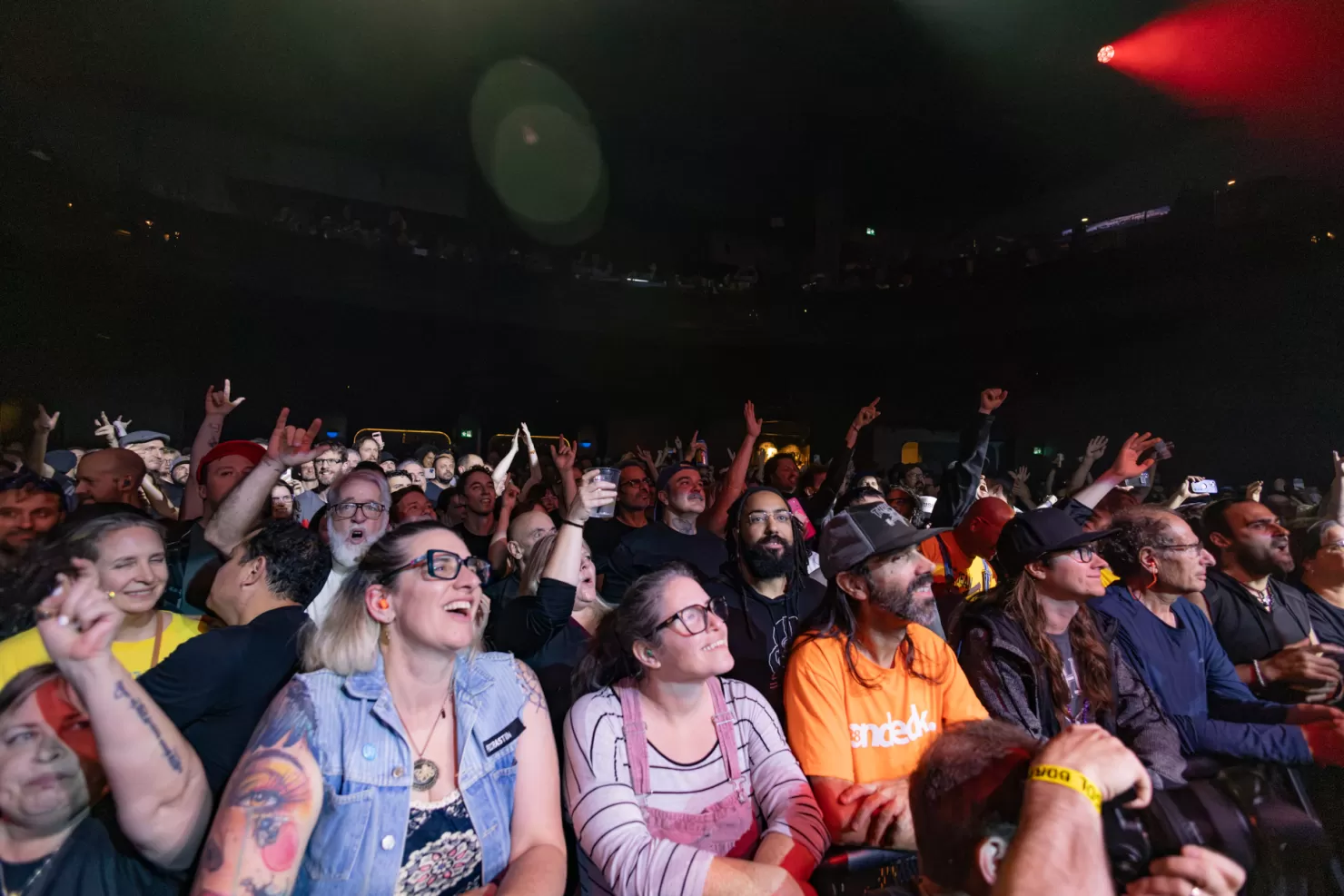
The entire band seemed determined to make the most of the stage. Hütz prowled, danced and worked the room while the musicians around him created a wall of sound that seemed to gather momentum with every song. And the audience was every bit as committed. Later in the set, a mosh pit erupted, and by that point it seemed almost beside the point to distinguish between the people dancing in the pit and those standing at the back of the venue. No one was standing still. That may have been the most impressive thing about the evening. This wasn’t simply a crowd watching a band perform. The entire room became part of the spectacle.
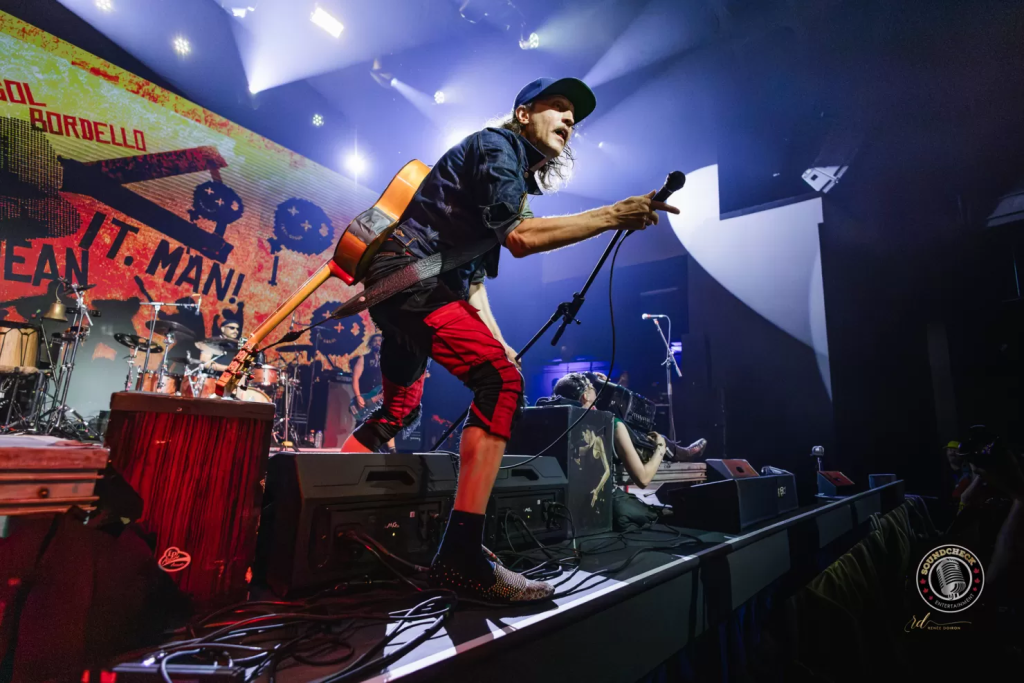
The combination of the band’s musicianship, Hütz’s theatricality and the sheer physicality of the performance made the show feel less like a conventional rock concert and more like a travelling celebration that had temporarily taken over HISTORY. And perhaps that’s the enduring appeal of Gogol Bordello. More than two decades after its formation, the band still understands that a great live show isn’t something that happens in front of an audience. It happens with one.
MORE PHOTOS